Lenticular Promotional Products: How to Choose the Right Item for Your Brand
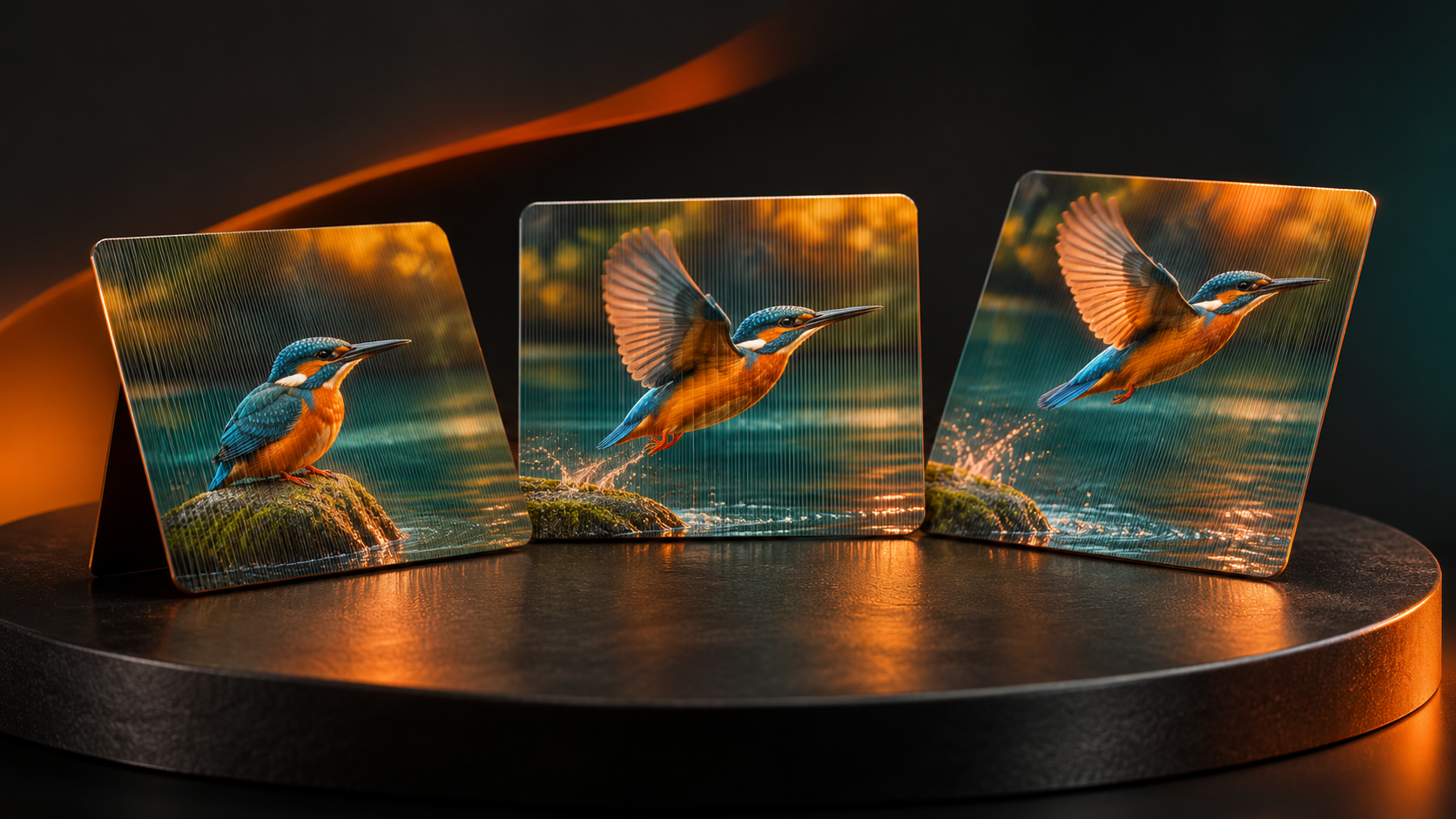
Lenticular promotional products combine a functional or promotional item with an image that changes with the viewing angle or a depth effect. The first step in selection is to identify where the target audience will use the material. A product kept on a desk, a promotional material distributed at a trade fair, and a card added to a gift set serve different needs. Using the same effect does not mean they perform the same marketing task.
Where should you start when choosing a lenticular promotional product?
Lenticular promotional products combine a functional or promotional item with an image that changes with the viewing angle or a depth effect. The first step in selection is to identify where the target audience will use the material. A product kept on a desk, a promotional material distributed at a trade fair, and a card added to a gift set serve different needs. Using the same effect does not mean they perform the same marketing task.
For a brand, a good choice is not based only on the product's appearance at the first encounter. Distribution, whether the recipient has a reason to keep the item, and the message's relationship with the campaign should be considered together. This article examines different formats through example scenarios that make decisions easier. These examples do not promise a particular sales increase or recall rate; they provide starting points for a more deliberate promotional plan.
Think about your audience's everyday life
Describing the moment when the promotional item will be used can come before reviewing a product list. Is the recipient an office worker, store customer, trade fair visitor, or participant in an educational event? Which objects do they use during the day, and are they willing to carry the item? The answers guide format selection. The product should relate to the user's practical needs as well as what the brand wants to communicate.
For example, portability may be important for material given at a corporate meeting. An item distributed in a store campaign may be expected to explain the campaign message quickly. For a project aimed at children, age group, usage, and relevant product suitability should be assessed separately. Working through concrete usage moments rather than defining the audience by a broad demographic category helps make design and distribution plans more consistent.
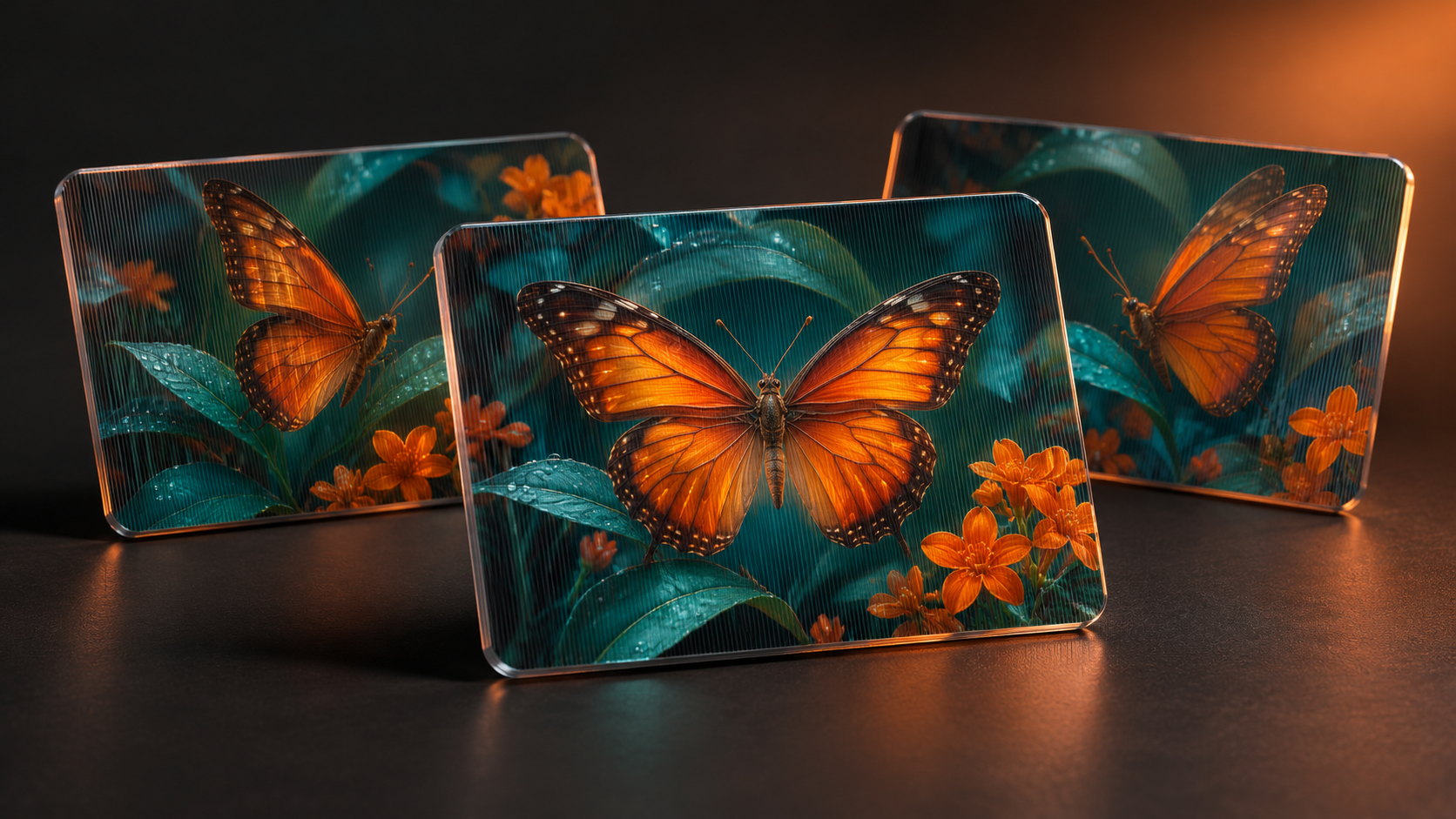
Lenticular cards and promotional materials
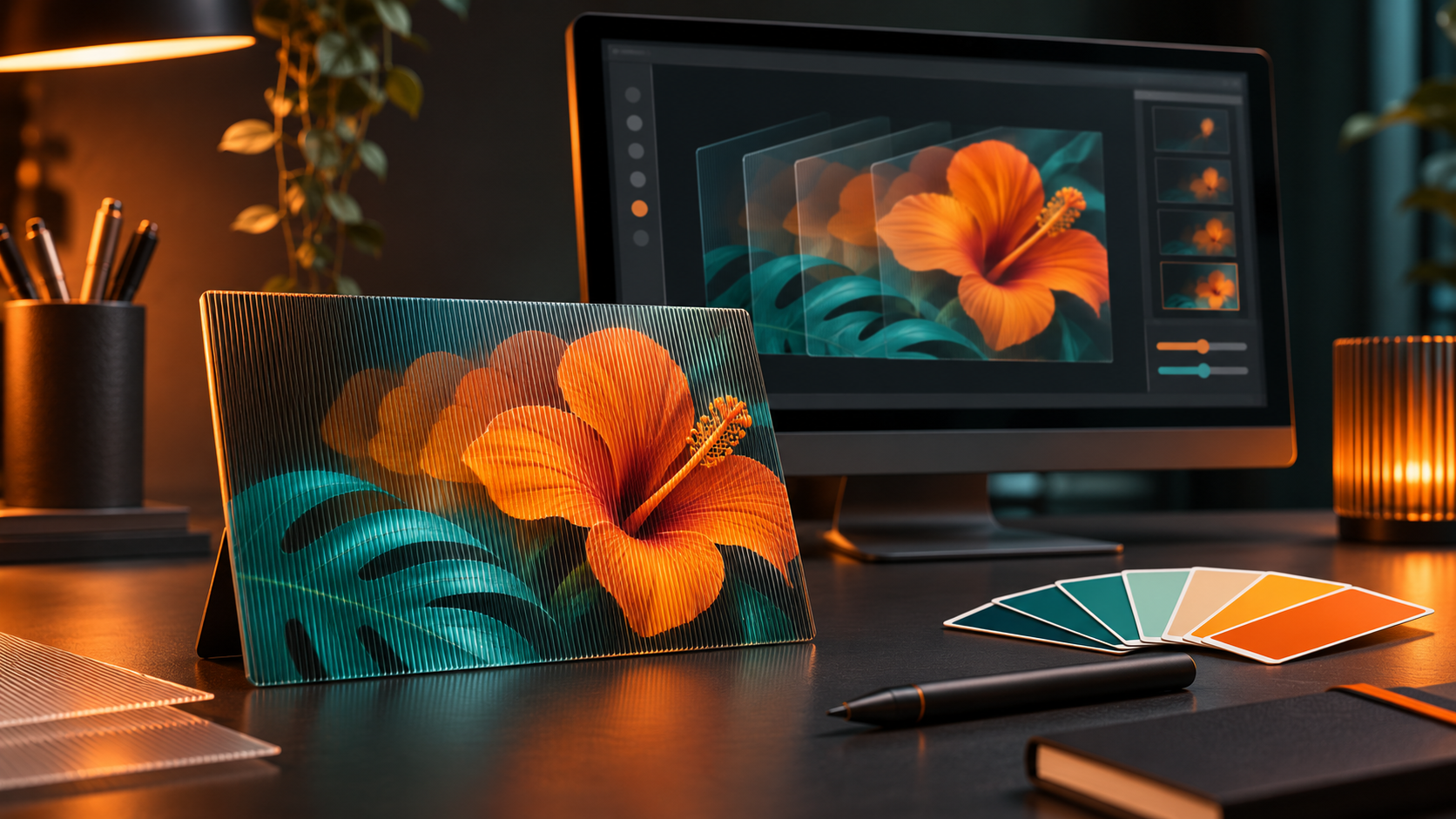
The card format can be considered as a starting point for communicating a short message directly. An event invitation, product presentation, or collectible idea can be structured on this surface. The first scene may create visual curiosity while another surface contains explanatory information. How users hold the card and which information they need to read at first glance should be considered during design. Visibility of essential information should not become a problem that overrides the creative idea.
A promotional card can also be connected to a digital campaign. Users can access more detailed information through a website address or an appropriately placed direction. If a link is planned, the destination page's mobile experience and content should be checked. When users interested in the product on the card open the link, they should encounter that same product or campaign. Consistency between the physical material's promise and the digital page's content is a fundamental part of campaign planning.
Functional products such as rulers and calendars
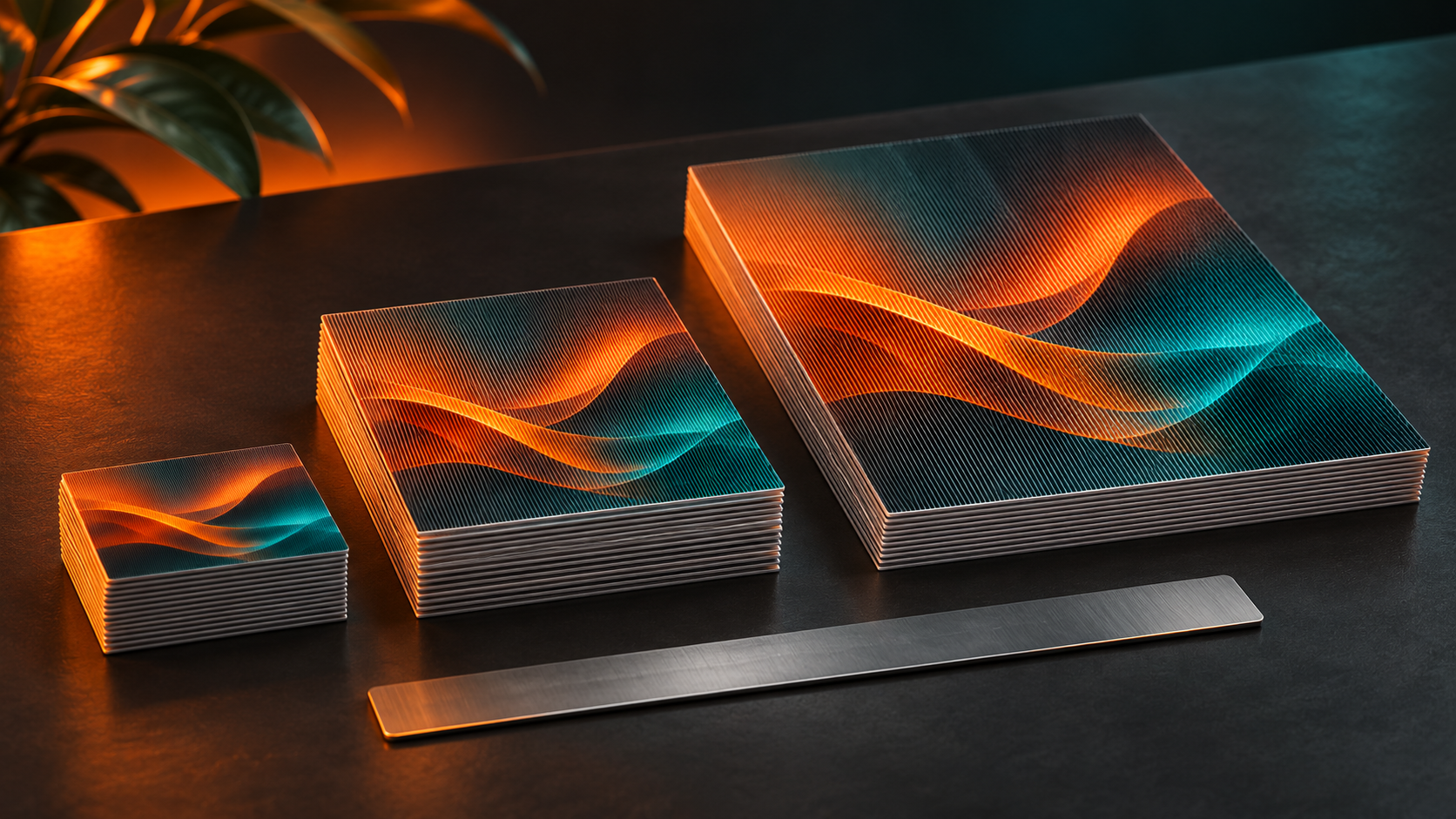
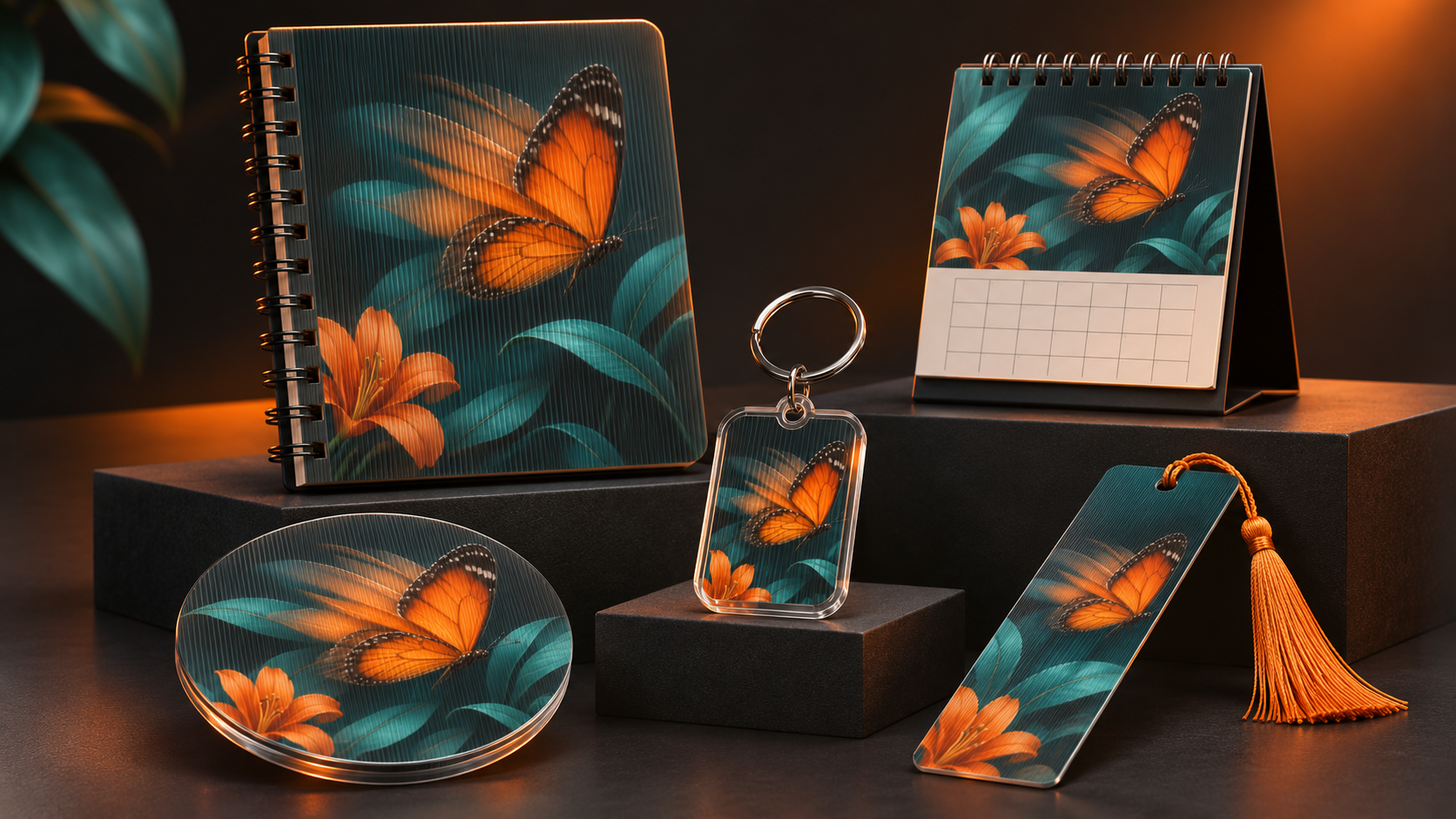
When choosing a functional promotion, the usage context should be realistic. A ruler may make sense in education, drawing, or desk-based work. A calendar can be considered for an environment where dates are tracked. A lenticular application can offer a creative narrative within the visual area of these products. However, the design should not make the primary function harder to use. A ruler's measurement information or a calendar's date layout should remain readable.
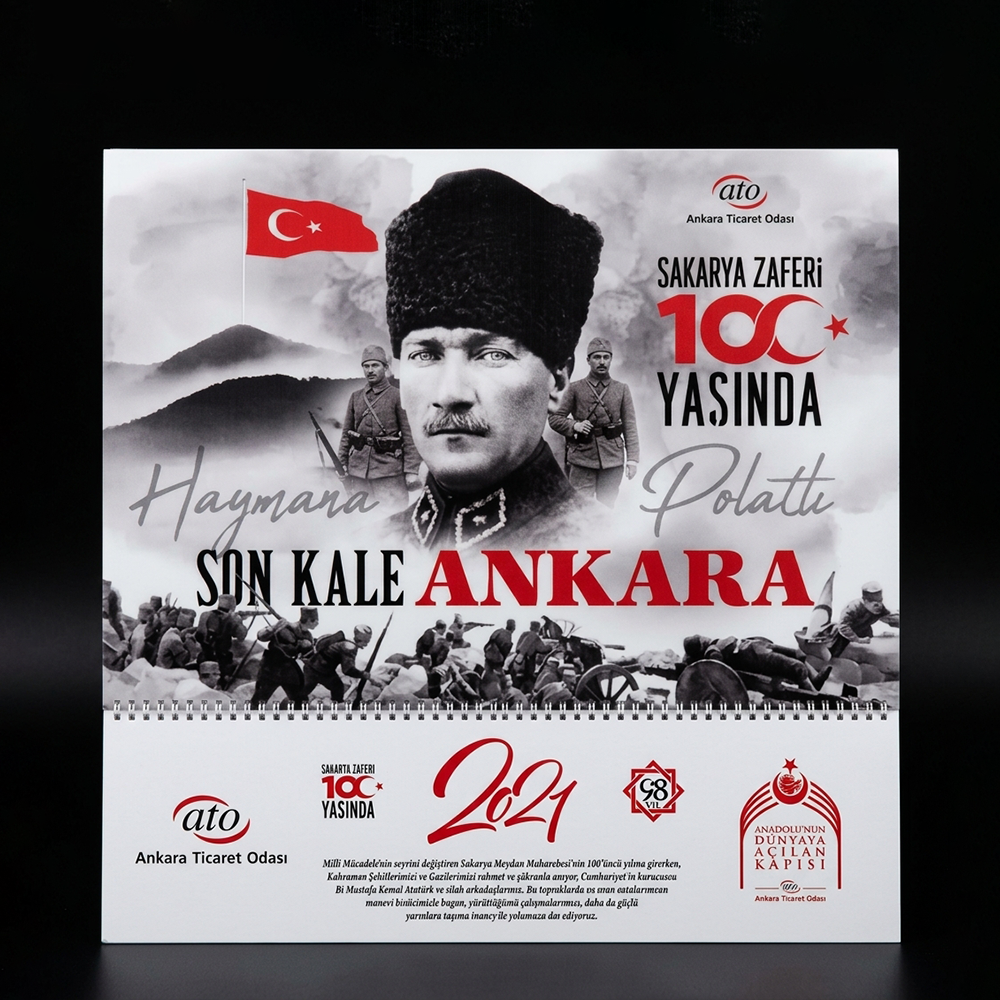
For a calendar project, distribution timing should be planned as well as the visual theme. Can the product reach its audience before the period in which it will be used? Have date information and content such as public holidays been checked? If several languages are used, is the layout suitable? These questions are independent of the lenticular effect but determine the product's usefulness. In corporate promotion, visual distinction should not replace basic function and accurate information.
Brochures and presentation materials
A lenticular brochure can be considered for campaigns seeking to strengthen the visual narrative of a product presentation. Unilens's relevant product description lists applications such as launches, sales presentations, and direct marketing. The material's task is not to fit every technical detail into the moving area. An attention-catching idea on the cover and clear product information inside are among the approaches that can be considered during creative planning.
How the sales team will use the brochure also matters. Will the representative explain it while showing it to the client, or will the material be examined after the meeting? In the first case, a short presentation sequence can be prepared. In the second, the explanations need to be understandable on their own. Connecting the brochure's visual change to a specific product feature can make the narrative more coherent. A short note explaining which message the material supports may also be useful for the sales team.
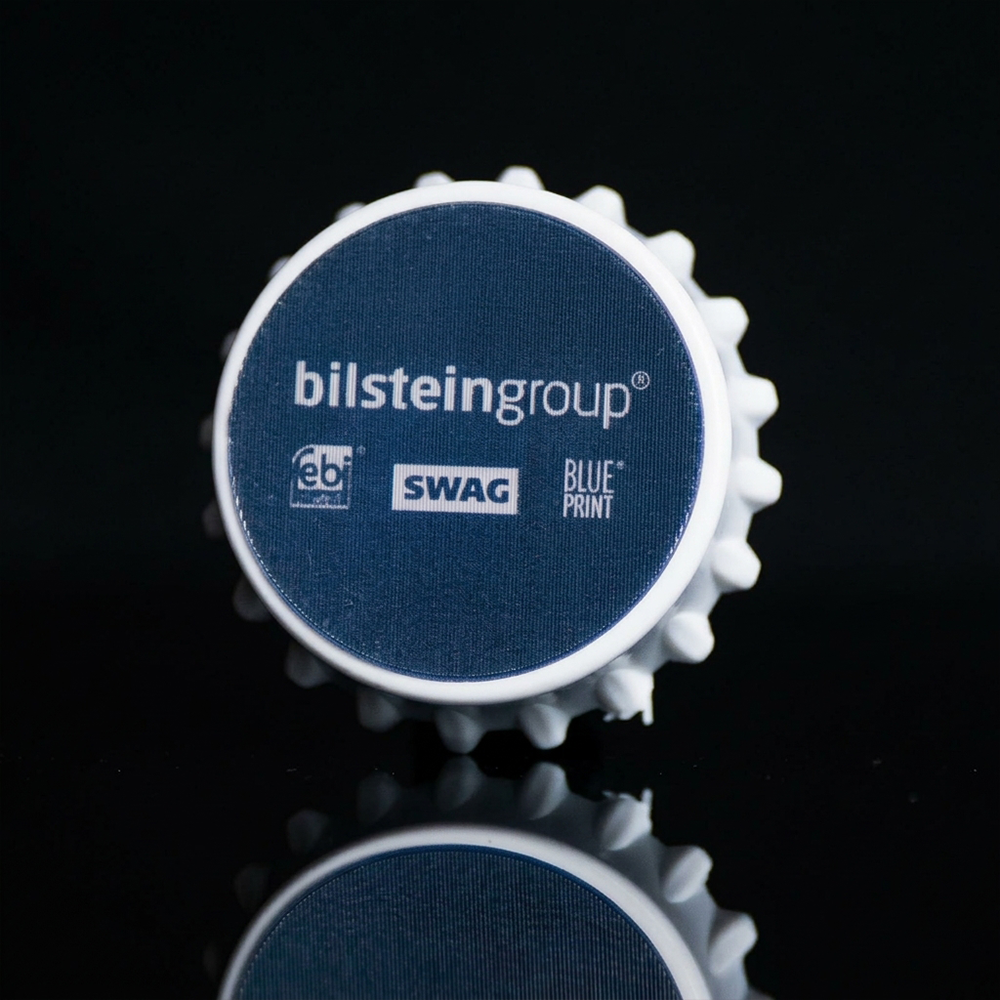
Bottle openers and everyday products
When choosing everyday products, it is advisable for the connection to the brand message to feel natural. A functional item at a food or drink event, for example, may create a meaningful touchpoint. However, selecting a product simply because it has space for a logo does not explain the campaign objective. Establish why the item is being given, in which context it will be used, and which brand idea it carries. These questions can be included in the creative brief.
The application environment should also be assessed in terms of materials and suitability. If frequent handling or particular environmental conditions are expected, inform the producer. Ask separately about suitability information required for the relevant use. A product's appearance or category alone does not prove suitability for every condition. The promotional choice then becomes more than a visual decision and forms a more comprehensive assessment that includes usage expectations.
How can it be used in a corporate gift set?
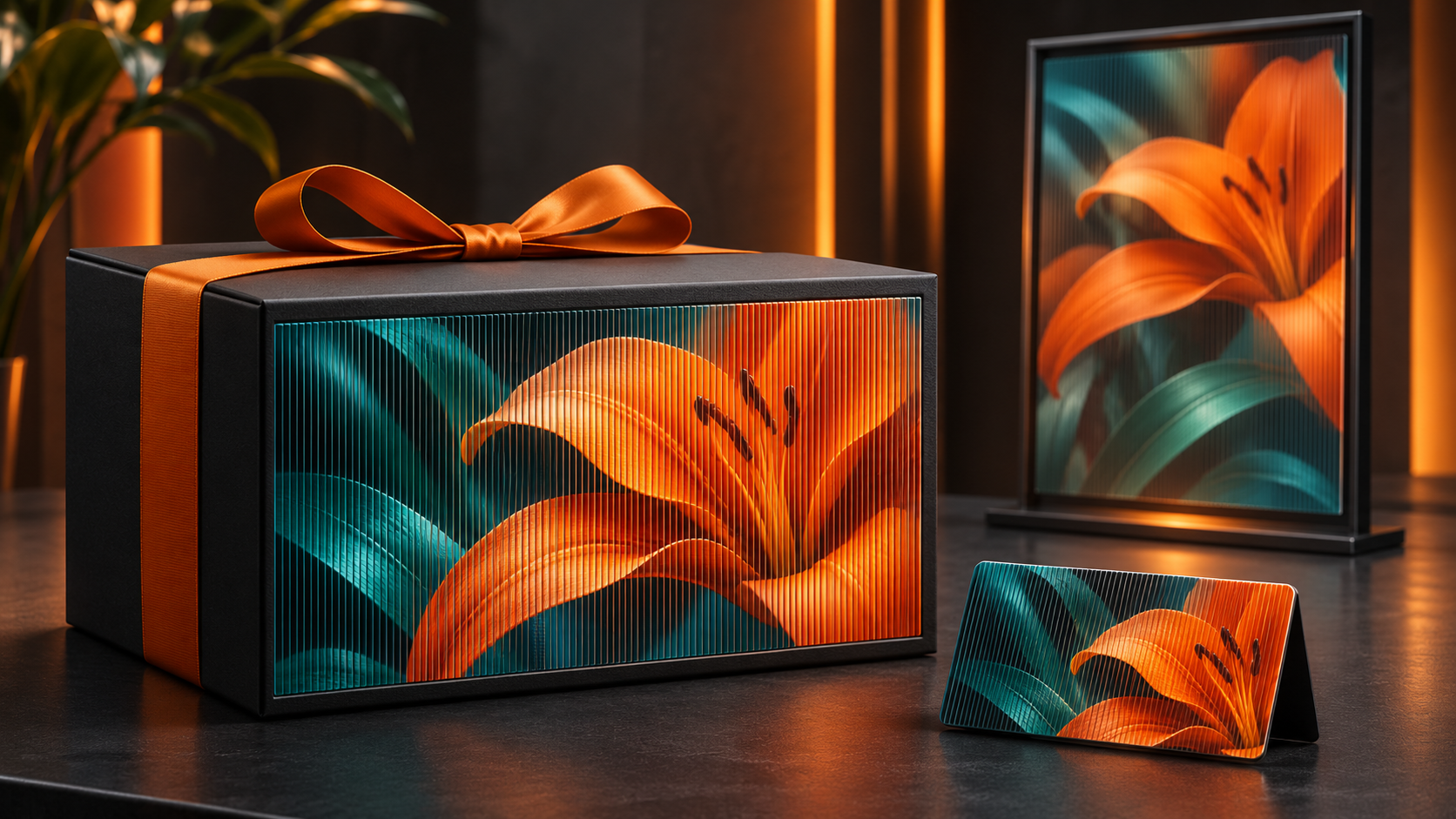
A lenticular material can be considered as an element that completes a gift set's story. For example, a card may use two visuals to communicate a new partnership or a short message connected to the products in the box. It is important for all components to serve the same idea. Instead of simply placing unrelated products in one box, the sequence in which recipients open the set and encounter its messages can be designed.
Gift set planning should consider dimensions, placement, and protection needs together. Discuss in advance how the lenticular piece will sit among the other items, which side will be visible when the package opens, and how it will be protected in transit. If personalisation is required, ask separately about its feasibility and scope. When requesting a quotation, clearly state whether boxing and set assembly need to be included as well as the lenticular component.
How can you plan distribution at a trade fair?
For promotional distribution at a trade fair, first determine during which kind of discussion the material will be given. The item distributed to every visitor need not be the same as a set given to a potential client after a detailed meeting. Product selection can be connected to the stand's intended conversation flow. Plan when the team will present the promotion and what short explanation they will give. The product can then become a meaningful part of the discussion rather than an object lying randomly on a table.
Keeping a daily distribution record is useful. Note how many products were given out, to which audiences, and which questions visitors asked. If personal data will be collected, an appropriate method should be planned separately. Rather than treating only the number of distributed items as a measure of success, consider which conversations the product supported. These records help assess which materials are genuinely needed at the next event.
How can you assess campaign results?
Before the campaign starts, choose the outcome you want to observe when measuring the promotion's effect. Visits to a particular page, quotation requests, or follow-up meetings after an event can be tracked, for example. If a suitable link structure is used, campaign visits can be monitored separately. However, do not assume that all requests arriving through a link were generated solely by the promotion. Other marketing touchpoints may also influence the user's decision.
Qualitative feedback is valuable as well. Ask the sales team which materials made explanation easier and where recipients asked questions. Record unused quantities and any problems during distribution. Instead of simply reordering the same product next time, use these observations to consider changes to dimensions, message, or distribution method. This approach helps evaluate promotional budgets through actual usage experience rather than habit.
Check how long the promotional message will remain valid
Adding short-term campaign information to a product intended for long-term use may not always be appropriate. Consider what the material will communicate after the printed date has passed. In some projects, an enduring brand message can remain on the product while time-sensitive details are provided on an accompanying card. In another project, making a limited-period campaign visible may be the main aim. There is no single correct method; the product's expected usage period and the message's validity should be assessed together. This check can help prevent stock that cannot be used in the next period. The final decision should reflect distribution quantity, audience, and the campaign communication plan.
Frequently asked questions
Should every lenticular promotion use 3D depth?
No. Image changes or movement can also be considered according to the campaign's needs. Establish the idea to communicate first, then select the product and effect together. There is no requirement for every application to have the same appearance.
Which promotional product generates more sales?
A definite sales result cannot be stated on the basis of product type. Audience, offer, distribution method, and follow-up process all have an influence. Linking product selection to a concrete usage scenario and tracking campaign results is a sounder approach.
Can a long campaign text be added to the product?
The placement should be technically assessed, but too much content can make the message harder to understand. The main benefit can be stated briefly, with details presented on another surface or digital page. The final decision should reflect the product's dimensions and purpose.
Identify a format suited to your audience with Unilens
When planning your promotional project, share your target audience, distribution location, campaign objective, and approximate quantity. Include expectations about keeping, carrying, or using the item in everyday life. Assess product options with Unilens against these needs. A lenticular application can then become a product with a defined role in your brand's physical communication plan rather than merely a promotion that looks different.
Explore related lenticular products
Visit the pages below to compare the applications discussed in this article with available product options.
To see other formats, explore the lenticular products category. To assess options suited to your dimensions, quantity, and effect expectations, contact Unilens and request a quotation.