Lenticular Packaging, Labels and Posters: How to Plan Eye-Catching Retail Designs
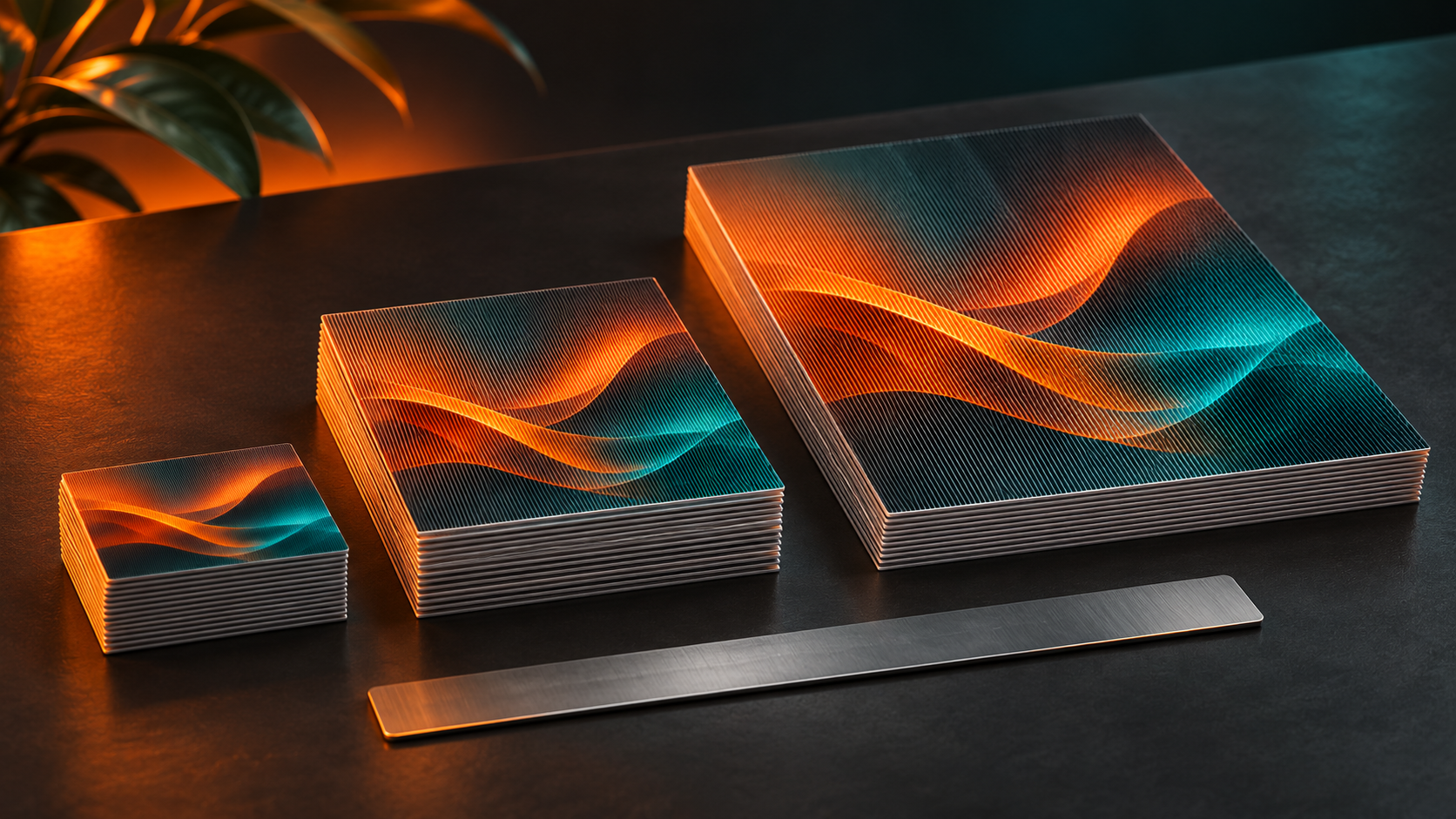
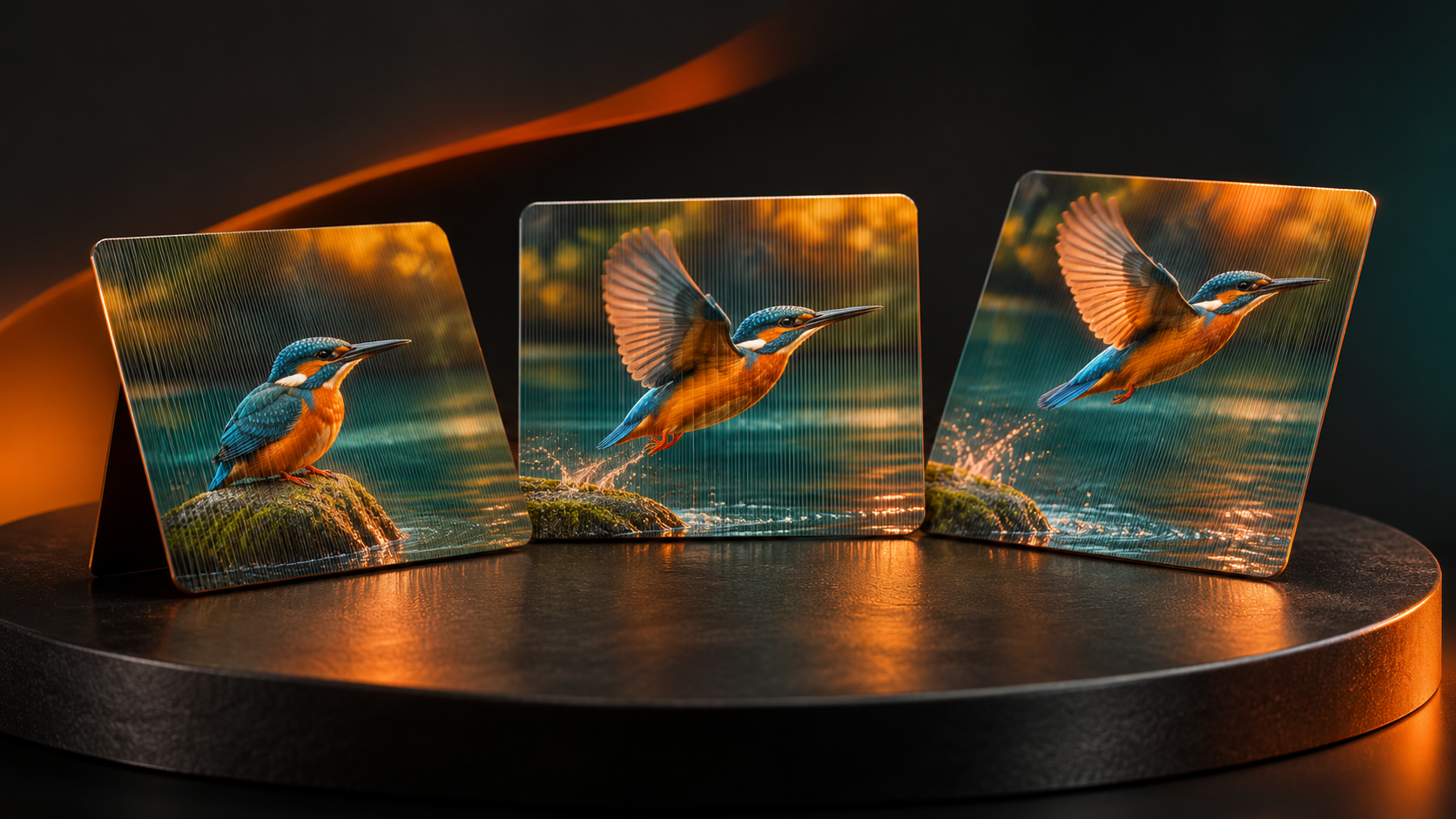
Lenticular packaging, labels, and posters can be considered for presenting a message at a physical point of sale through image changes or depth effects. Packaging is seen together with the product, while a poster supports the surrounding communication; a label uses a more limited area on a particular surface. To select the right solution, first establish where customers will stand, what they will see, and which information they need to understand. The same creative idea should not be transferred to every surface in exactly the same way.
What does a lenticular application do at the point of sale?
Lenticular packaging, labels, and posters can be considered for presenting a message at a physical point of sale through image changes or depth effects. Packaging is seen together with the product, while a poster supports the surrounding communication; a label uses a more limited area on a particular surface. To select the right solution, first establish where customers will stand, what they will see, and which information they need to understand. The same creative idea should not be transferred to every surface in exactly the same way.
Many elements can compete for a customer's attention in a store. Shelf arrangements, price labels, directions, and other campaign visuals share the same environment. A design should therefore not be assessed only by how attractive it looks on its own. It should be considered in its surroundings, with its role in the campaign clearly explained. The effect of a lenticular application on sales cannot be attributed solely to the visual technique; product, price, stock, and store experience also matter.
How should an application on packaging be planned?
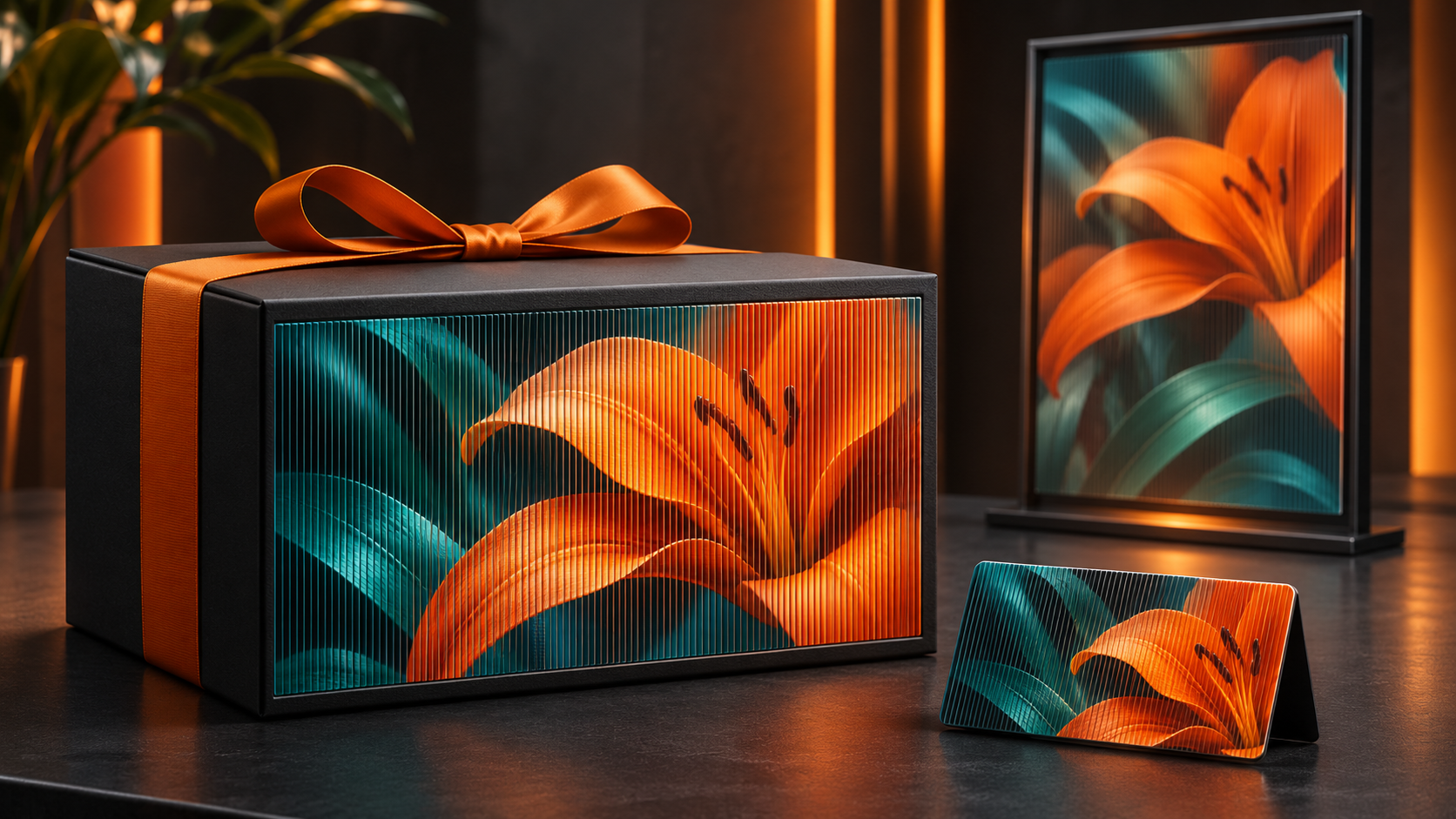
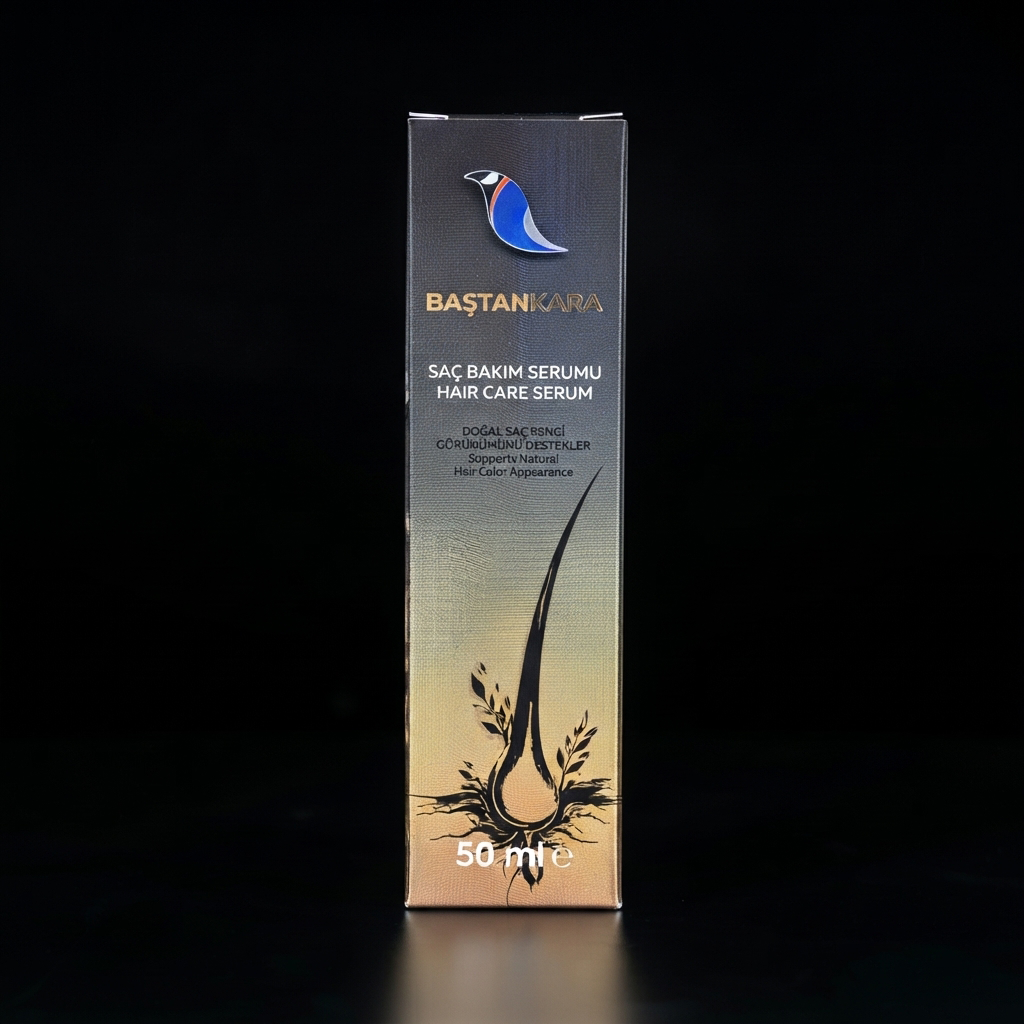
If a lenticular area is being considered on packaging, the box or surface structure should be examined first. Establish where the visual application will sit and how it will relate to the product name and other information. Using a particular panel as the creative focus can also be considered instead of turning the entire package into a changing scene. The appropriate approach should be assessed with the technical team according to the packaging design and production conditions.
Consider not only the front seen on the shelf but also the opening and usage experience. Which information will customers access when they pick up the product? Is the application area positioned where opening the box could damage it? Are folding, gluing, or other finishing operations compatible with the design? These are questions for pre-production assessment. A structure whose technical suitability has not been verified should not be accepted as a final solution on the basis of a visual mock-up alone.
Which information should be shared for label applications?
For a label project, state the shape and material of the application surface at the outset. A flat box panel and a curved container surface are not the same situation. Adhesion, surface compatibility, and usage conditions are assessed separately. Share any expectation that the product will be used in cold, humid, or frequently handled conditions. Explaining application conditions alongside visual expectations makes it easier to discuss a suitable solution.
The label's role should also be clear. Will it be the product's main label, create a campaign area, or serve as a separate promotional piece? The placement and visibility of mandatory product information should be preserved according to relevant requirements. The creative effect must not make essential information harder to read. Suitability assessment should be carried out separately for food, cosmetics, or other regulated products; a lenticular application should not be assumed to meet those requirements automatically.
Which placement questions should be asked for posters and panels?
Where a poster will be displayed is project information that directly affects how the design will be seen. Will people walking through a corridor see it, or will customers waiting in front of it examine it? Approximate viewing distance and mounting height should be stated. The intended effect, image dimensions, and viewing distance all matter for lens selection. Starting an order with only the poster's width and height may therefore leave the usage scenario incomplete.
A simple store layout can be prepared for placement. Show the poster's location, approach direction, and surrounding visuals on the drawing. An assessment using a photograph can also help the first discussion. However, any details that need verification in the actual environment should be checked separately. The aim is to consider in advance the conditions that will make the design understandable at its real touchpoint, rather than only in a sample on the meeting table.
How can you simplify a shelf or window display message?
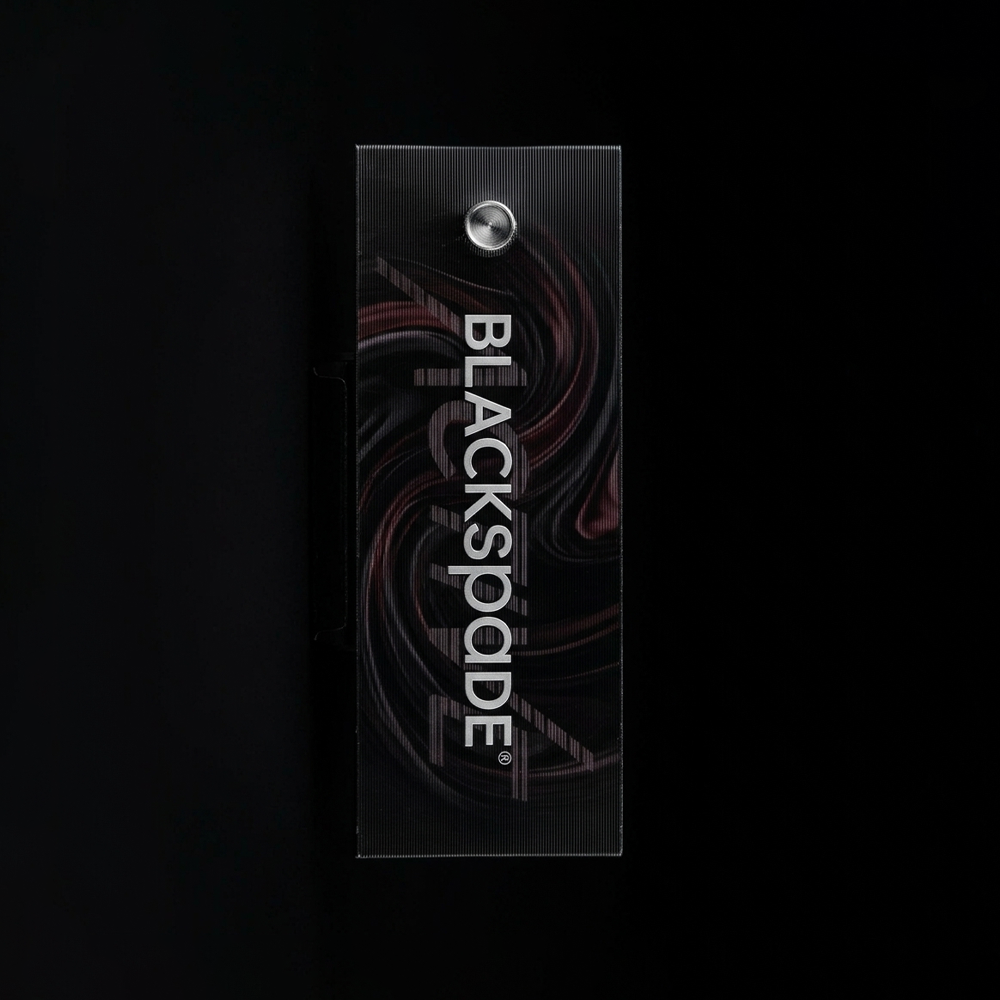
When choosing a point-of-sale message, write down what customers need to understand at a glance. Are you announcing a new product, presenting two options, or emphasising a particular feature? Rather than trying to achieve every objective in one area, it is advisable to choose the main priority. Then plan how the visual change will support it. The effect and text should not carry unrelated ideas.
For example, each scene could show a different option for a product range with two flavours. A shared brand area and short headline can connect both scenes to the same campaign. In another project, the product itself might stay fixed while the surrounding visual atmosphere changes. These are creative examples, not claims of particular results having been achieved. The brand should assess which idea fits the actual product and its audience's expectations.
How can a coherent campaign be built for a product launch?
When introducing a new product, it is useful to arrange packaging, posters, and promotional materials around the same narrative. Each touchpoint does not need to carry the same amount of information. The poster can announce the main idea, packaging can introduce the identity, and the brochure can explain the details. This division of roles prevents excessive content being loaded onto one surface. Where the lenticular area will be used can also be determined according to this communication plan.
If the campaign has a digital component, visual and verbal continuity should be checked. The product seen in the store and the product name, packaging appearance, and main offer on the website should be consistent. Users seeking details should not encounter a different campaign. If a link is used, the material should not be distributed before the destination page is live. Although these checks may seem separate from the visual effect, they preserve the coherence of the experience offered to users.
How should the store team prepare for the application?
The point-of-sale team should know where the material belongs and what it communicates. Preparing a short application note may be useful. It can contain a placement example, the main message, and mounting information supplied by the producer. Moving the material arbitrarily to a different location may alter the campaign's planned visibility. Involving store managers from the outset therefore helps the application run more consistently.
Instead of lengthy technical training, prepare short answers to common customer questions. Explain, for example, why the image changes, which products the campaign covers, and where more detailed information is available. Employees should avoid unverified statements about technical characteristics. Product benefits, prices, and campaign conditions should be communicated using current information. The visual material and the explanation provided by staff can then support the same message.
How should samples and pilot applications be assessed?
For a project to be rolled out across several locations, a limited application can be assessed first. The aim may be to identify placement and usage problems early rather than declare a definite success result. Examine the sample in the intended environment and take notes on text readability, message comprehension, and the physical application. Discuss necessary changes before wider distribution. The design decision can then be compared with real contact conditions.
Collect different observations rather than relying on one person's preference in a pilot assessment. Store employees can assess where customers stand, the implementation team can report mounting experiences, and the brand team can review identity consistency. Gathering this feedback in the same form is useful. Distinguishing observation from interpretation matters: instead of saying “customers liked it,” recording the questions asked or behaviours seen can give subsequent decisions a more concrete basis.
What should you consider when assessing sales impact?
A change in sales during a campaign does not by itself demonstrate the effect of the lenticular application. Price changes, discounts, stock availability, store traffic, and other advertising activity can also influence results. If an assessment is planned, establish the indicators to be tracked at the outset. Comparing similar locations can be considered under suitable conditions, but the limitations of the comparison should be clear as well. Avoid attributing results conclusively to a single design element.
Operational outcomes can also be monitored. Did the materials arrive on time, were they installed in the right place, and could employees explain the campaign? The answers can be as useful as sales data. Record reusable products, removal needs, and the transition to the next campaign afterward. The next project can then be planned not simply as the production of a new visual, but as a more systematic project informed by experience from the previous application.
Do not forget the plan for after the campaign
When planning an in-store application, establish what happens at the end date as well. An expired campaign message left in the sales area can create incorrect customer expectations. Decide in advance which materials will be removed and which can remain as general brand communication. Ask the producer how to store components intended for reuse. If removal or transport is required, the responsible team should also be identified. This plan recognises that campaign management does not consist only of installation day. Including the start, usage, and end stages in the same work plan helps store teams and supports a more orderly transition to the next application.
Frequently asked questions
Can a lenticular label be applied to every surface?
Automatic suitability should not be assumed for every surface. Shape, material, adhesive, and usage conditions need assessment. Before the project begins, communicate actual application details to the producer and discuss the necessary checks.
Can a lenticular poster be used outdoors?
Outdoor use should be assessed for the particular project in relation to materials, printing, mounting, and environmental conditions. A solution prepared for indoor use should not be assumed to work outdoors in the same way. Expected conditions and the scope of durability should be clarified in advance.
Should all packaging information be placed in the moving area?
No. Basic product information and mandatory explanations should be retained in an appropriate layout. Establish the role of the lenticular area in the campaign, and ensure the visual effect does not make information difficult to read. Final placement should be assessed together with product and usage requirements.
Develop an application suited to your point of sale with Unilens
Share the application environment, surface characteristics, intended message, and approximate dimensions with Unilens. Assess packaging, label, or poster options according to your usage scenario. If a multi-location rollout is planned, state distribution and placement expectations at the outset as well. Lenticular design can then become an application developed together with the product, store, and communication objective rather than a detail added to the campaign afterward.
Explore related lenticular products
Visit the pages below to compare the applications discussed in this article with available product options.
To see other formats, explore the lenticular products category. To assess options suited to your dimensions, quantity, and effect expectations, contact Unilens and request a quotation.