3D, Flip and Animation: How to Choose the Right Lenticular Printing Effect
In lenticular printing, 3D depth, flip, and animation respond to different communication needs. Depth aims to make objects within an image appear at different distances. Flip provides transitions between separate images. Animation shows stages of a movement. The right effect is therefore not simply the option that appears most eye-catching; it is the one that carries the idea viewers need to understand most clearly. This decision guides visual preparation and product selection throughout the project.
Why should effect selection start with the message?
In lenticular printing, 3D depth, flip, and animation respond to different communication needs. Depth aims to make objects within an image appear at different distances. Flip provides transitions between separate images. Animation shows stages of a movement. The right effect is therefore not simply the option that appears most eye-catching; it is the one that carries the idea viewers need to understand most clearly. This decision guides visual preparation and product selection throughout the project.
It is useful to begin by writing a one-sentence campaign objective. “We want to introduce our new packaging” and “we want to show how the product opens” are different needs. The first may suggest a change between the old and new appearance. In the second, understanding the movement becomes important. A third project might aim to emphasise the product's form or visual world through depth. The same product can be approached with different effects in different campaigns.
Which projects suit a 3D depth effect?
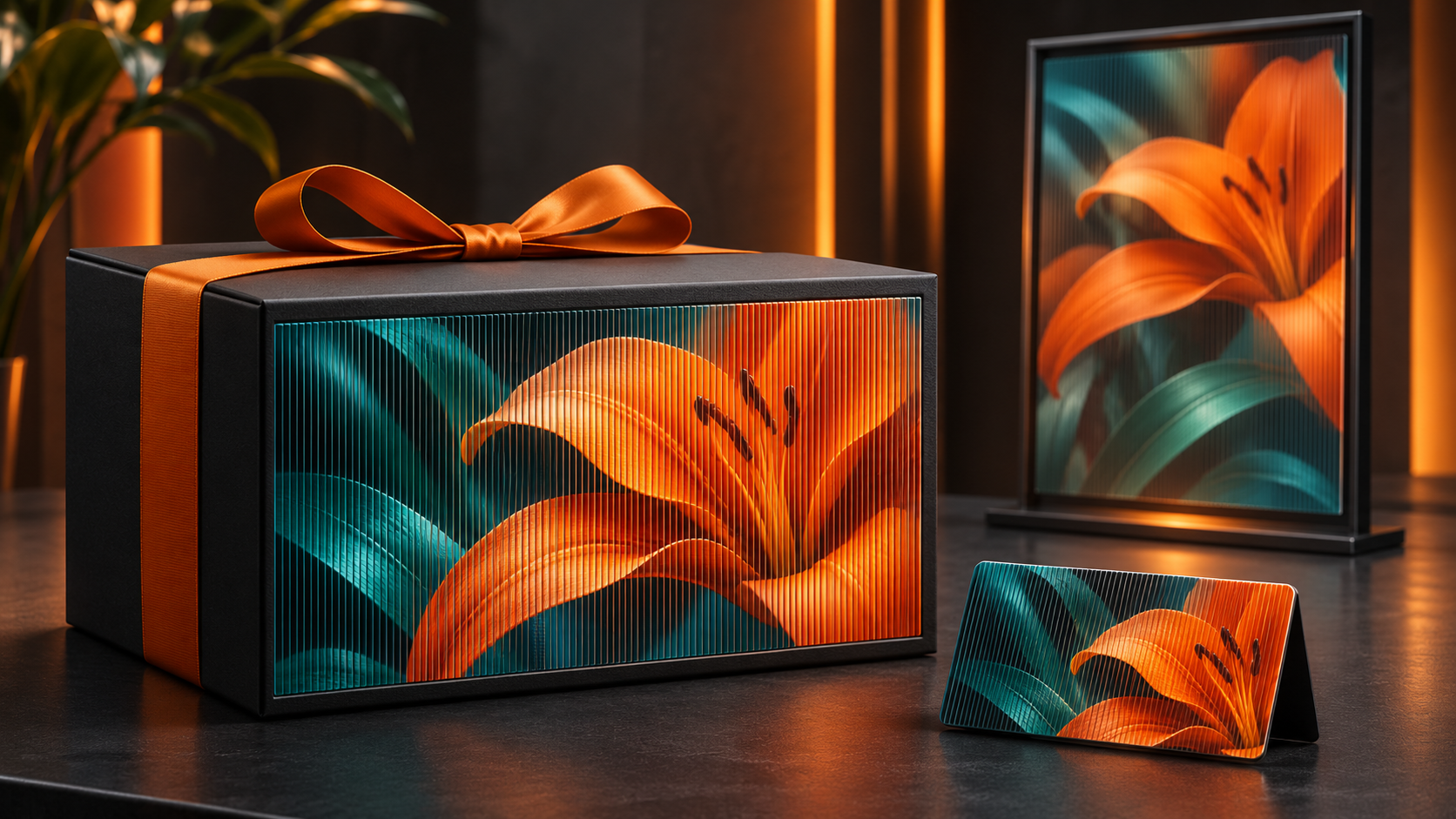
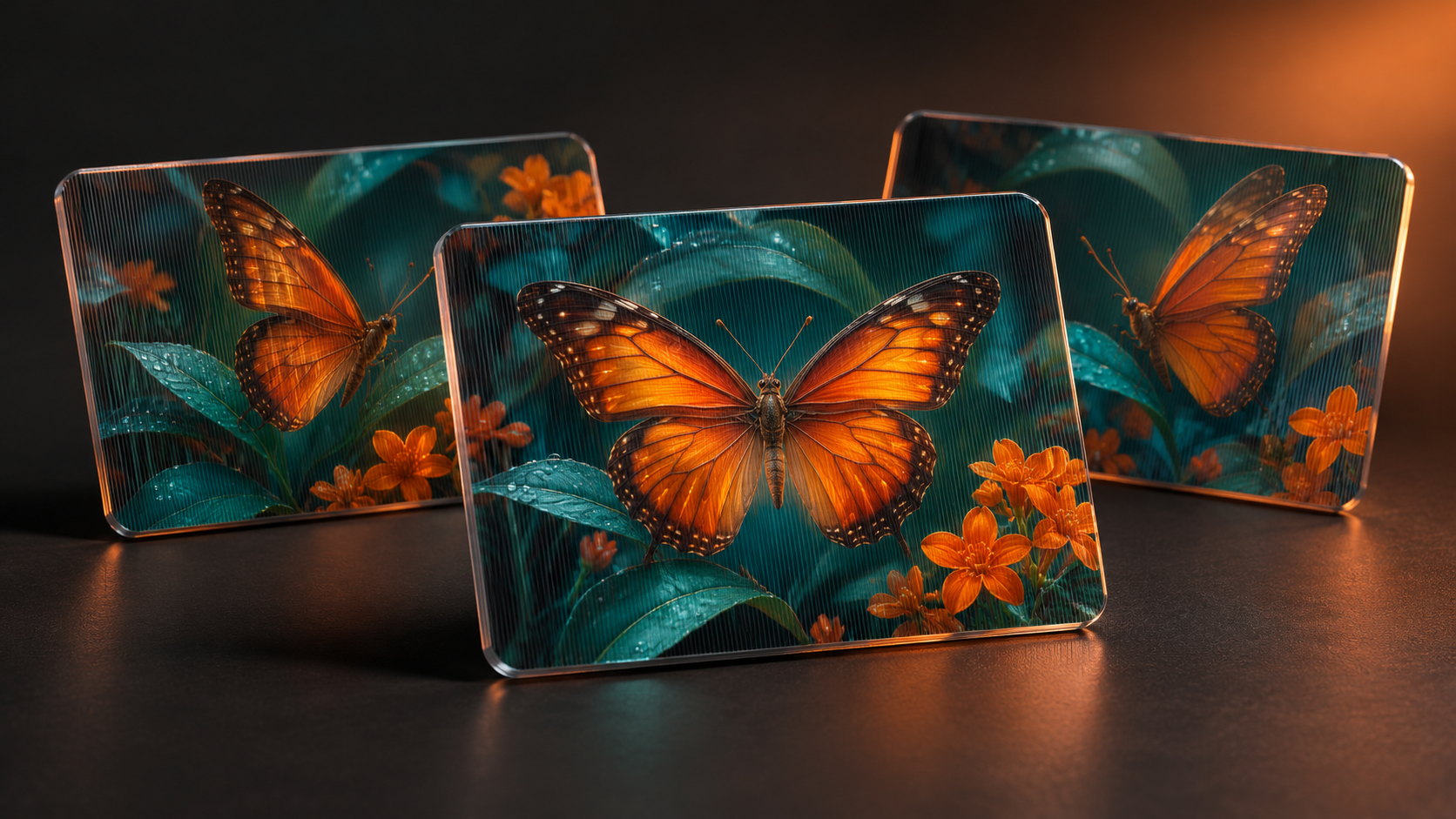
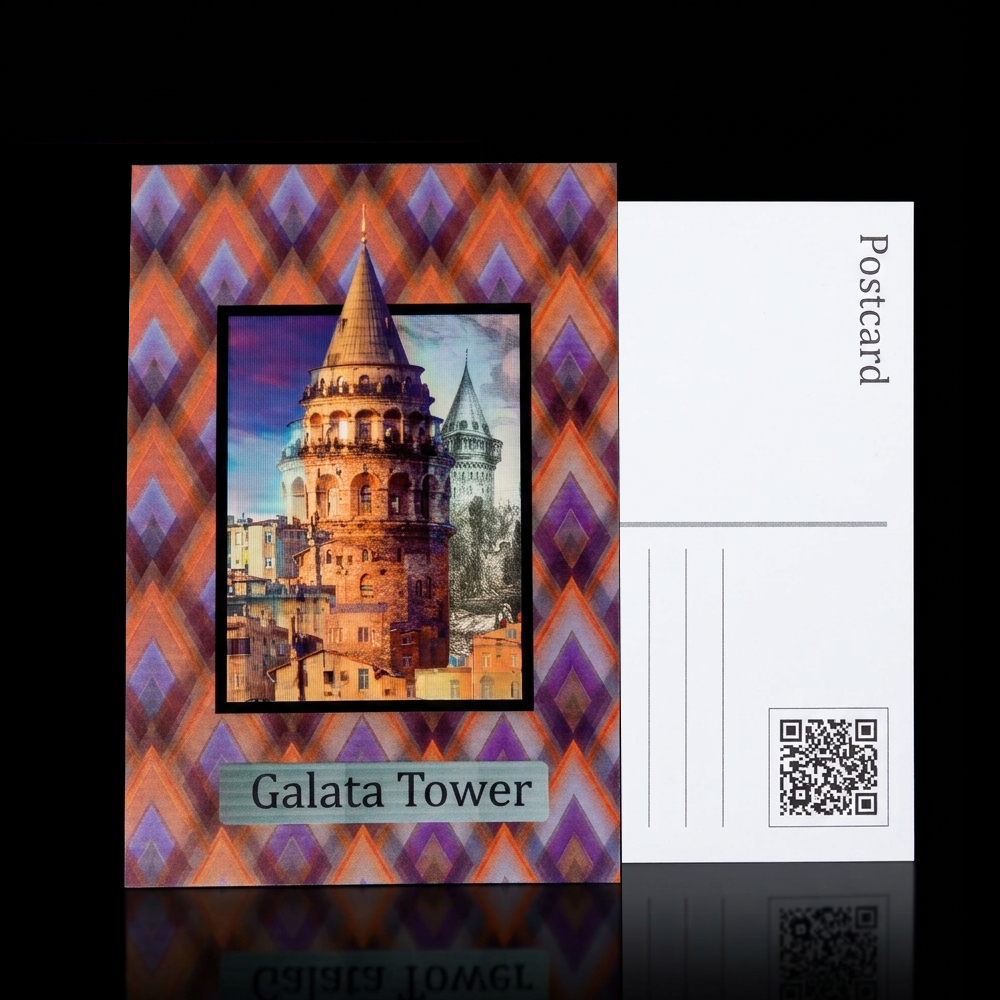
In a depth-focused design, viewers' attention is directed to relationships within the scene. The product in the foreground, the environment in the background, and the space between them are important parts of the composition. For a perfume visual, for example, the bottle, botanical elements, and background can be considered as separate visual planes. The aim is to present the product's visual character within a strong scene rather than to tell a long story.
When preparing such a structure, it is advisable to establish one main focus rather than trying to bring every element forward at once. Which object should viewers notice first? Where should the brand name sit? Should the slogan be read within the scene or in a separate area? The answers create the visual hierarchy. The depth effect should be planned to support perception of the brand message rather than replace it.
When should you choose a flip effect?
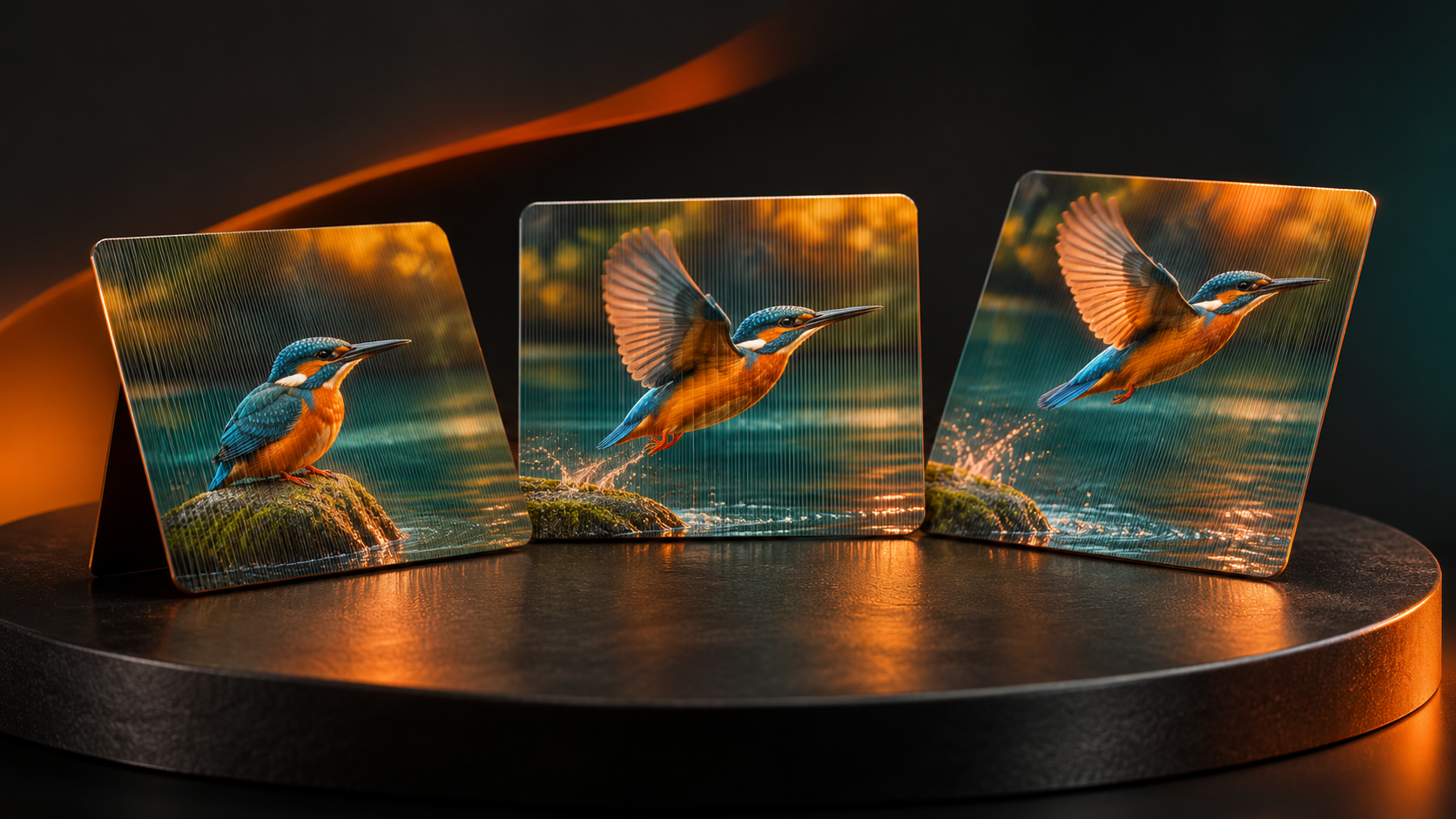
The fundamental strength of a flip application is a distinct change between images. Two product options, an old and new identity, or a question and answer can be structured on the same surface. For example, the first scene of a corporate invitation might show the event's theme, with its date and title appearing in the next scene. The important point is not to leave essential information only at an angle viewers are not guaranteed to see. The design's function must always remain the priority.
A useful starting point for flip is to describe clearly the relationship between the two scenes. Will the visuals continue one another, make a comparison, or create a surprise change? Writing down each image's role within the scene plan makes it easier to remove unnecessary content. If the second image cannot be understood without the first, the user experience needs additional consideration. Viewers may not always approach the product from the angle assumed by the designer, so consistency of the shared message matters.
How can a story be built with animation?
Animation can be considered for projects that want to explain an action through successive visuals. A lid opening, an object rotating, or a simple character movement can be creative starting points. However, treating a lenticular surface like a long advertising film is not a sound planning approach. Viewers' movement may be brief. Choosing a visually simple action with an easily understood beginning and outcome is therefore a more controlled route.
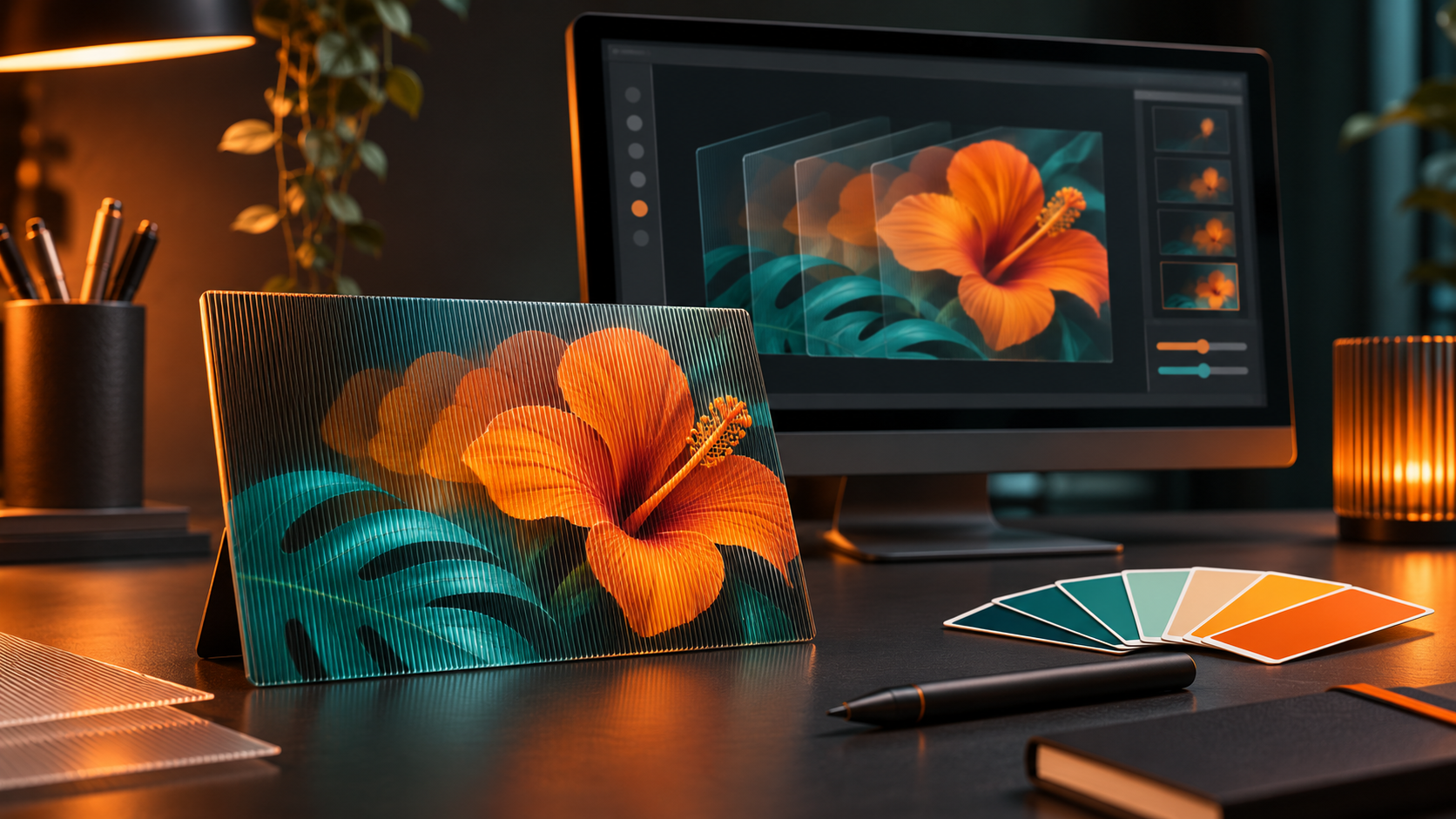
When preparing a storyboard, first describe the movement through a few key stages. Write down where the scene begins, what changes, and what viewers should see at the end. Unnecessary background movements, numerous text changes, and competing objects can push the main action into the background. This advice does not imply a compulsory number of frames. The number of images and technical structure should be assessed together with production conditions.
What is the difference between zoom and morph?
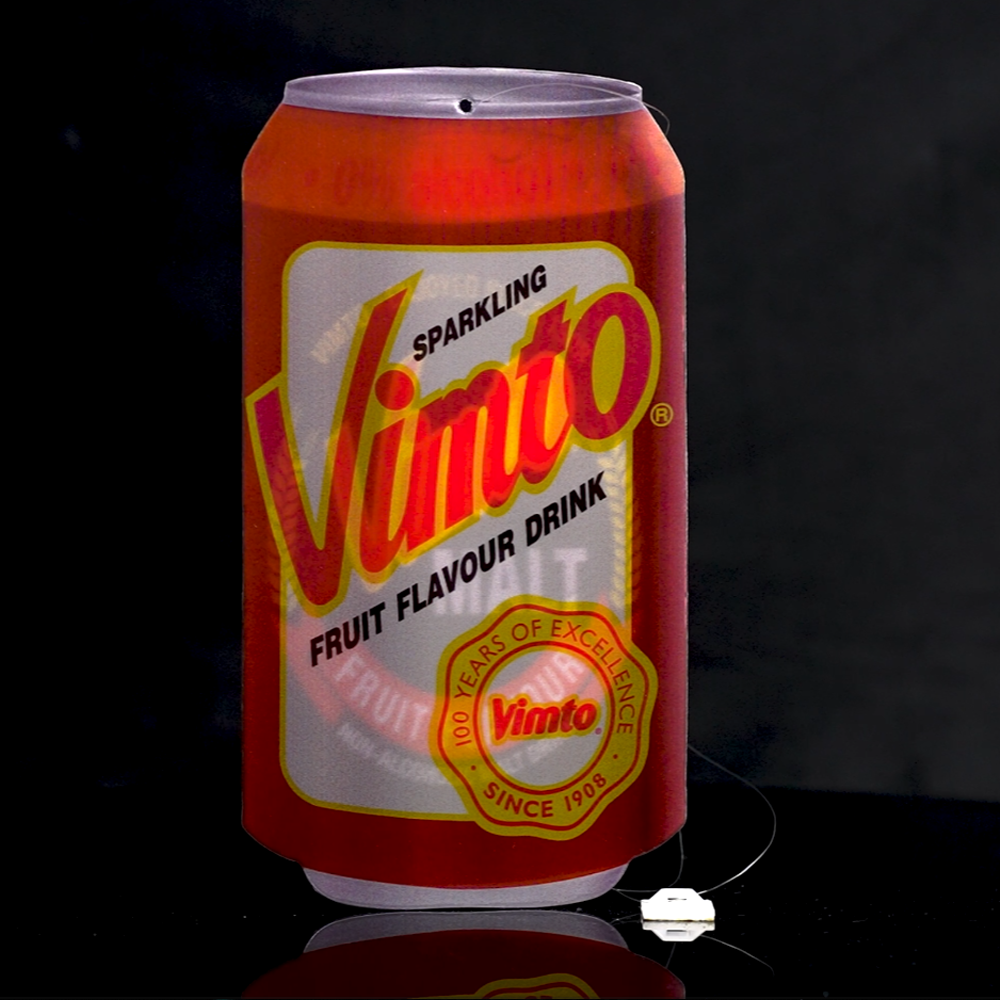
Zoom is a way of making an object appear to grow or shrink. Morph is based on a gradual transformation from one shape into another. Giving emphasis to a logo and changing one symbol into another are not the same visual objective. Knowing effect names is useful, but describing the expected change with examples is more informative than giving the producer only a name.
Preparing two alternative sketches during a creative meeting can make the decision easier. In the first, the product stays the same and only its scale changes. In the second, the product or symbol transforms into another visual. The team can then discuss which option connects more strongly with the campaign message. Technical feasibility should also be checked at this stage. An idea looking impressive on a screen does not by itself mean that it can be applied in the same way at the chosen dimensions and within the selected product structure.
How should product format and application environment be assessed?
A card turned in a visitor's hand and a poster fixed in a store offer different interactions. With a handheld product, the person can deliberately move the surface. In a fixed application, the person's position and direction of movement become important. When choosing an effect, consider the actual point of contact rather than only examining a sample at a desk. A placement sketch can show where viewers will approach from and where they will stand.
Approximate viewing distance, product height, and other surrounding visuals can be added to the sketch. Teams can then assess the same imagined application. A message that must be read from a distance at an exhibition stand may not call for the same text density as presentation material examined on a desk. Defining the application environment helps with visual composition and the technical discussion about product dimensions and lens selection. This information should be shared at the quotation stage.
Examples of creative approaches by sector
A flip structure comparing two colour options could be considered for a cosmetics project. Tourism communication might use different views of a destination. A technology presentation could consider a short movement showing one stage in using the product. These are not accounts of completed client projects or performance claims; they are example scenarios for developing ideas. Each scenario should be adapted to the brand's existing visual identity, campaign language, and the product's actual characteristics.
A calmer approach can also be an effective design objective in corporate communication. Rather than explaining the company's founding story through lengthy texts, a connection can be made between two images from past and present. A social responsibility project might use a symbolic transformation. However, when communicating health, environmental, or performance messages, visual change does not constitute evidence. Claims in the text should be checked against their own supporting information, and the creative effect should not make them appear stronger than they are.
Is combining effects always a good idea?
Requesting several effects in the same product can initially seem attractive. However, the decision should be based on “which message is clearer” rather than “how many effects can we include.” Preparing two alternatives in a design meeting is useful: one focuses on a single main effect, while the other contains additional movements. After a brief review, the team can compare which version's main idea is easier to recall. This is a simple creative evaluation method.
You do not have to rely solely on designers' opinions in the comparison. You can ask a few colleagues who have not seen the project before to explain what they understood. It is important not to lead the answer. Asking “what does this visual communicate to you?” rather than “did you notice the product has been updated?” can produce more informative feedback. Such small evaluations help reveal the difference between the intended narrative and the first impression; they should not be treated as a substitute for scientific consumer research.
Turn effect selection into a short creative brief
At the end of the meeting, summarise the agreed idea on one page. This page should contain the main message, target audience, product to be used, and expected visual change. It should also state the brand elements the application must preserve. Such a summary reduces confusion that might arise when different teams use different names for effects. If a new request emerges later, it can be compared with the existing goal. Whether it supports the main message and requires additional work can then be discussed more clearly. Especially in projects with several people giving approval, a short written brief makes creative decisions easier to follow and provides all participants with a shared starting point.
Complete the decision with a written scene summary
After making the final selection, record each scene in a short sentence. For example, state that the first image introduces the product, the second shows an alternative use, and the brand name stays in the same position in both. This record helps preserve the creative objective through subsequent revisions. When a new idea emerges, it can be compared with the existing scene plan, making it easier to discuss whether it really strengthens the message.
It is also useful to include information that must not change. It should be clear on which surface the product name, corporate colours, legally required explanations, or campaign date will appear. The design should not only look impressive; it should also present accurate information in the right context. Approval of the same scene summary by the brand representative and production manager strengthens communication between visual expectations and technical application and helps reduce differences of interpretation later.
Frequently asked questions
Which lenticular effect is best?
There is no single best effect for every campaign. Visual comparison, product movement, and depth are different objectives. Selection should be based on the main idea to communicate, the product format, and the application environment together.
How many images should a flip project use?
A fixed rule for image count should not be applied to every project. First establish the communication role of each scene, then let the technical team work on a suitable structure. Requesting more images does not guarantee a clearer message.
Does a phone video show the entire effect?
Video is a useful presentation tool for explaining how the change occurs. However, it should not be assumed to represent fully the physical product's dimensions, surface, or the experience produced by a person's own viewing movement. The reference to be used for approval should be agreed in advance.
Clarify your effect idea with Unilens
Share your available visuals, the campaign's one-sentence objective, and the environment where the product will be used with Unilens. Assess image transformation, depth, or motion options against this information. You do not need to arrive at the first discussion with a finished design; clearly describing the change you want to communicate is a good starting point. Effect selection can then become a project decision connected to your brand's communication objective rather than a matter of incidental preference.
Explore related lenticular products
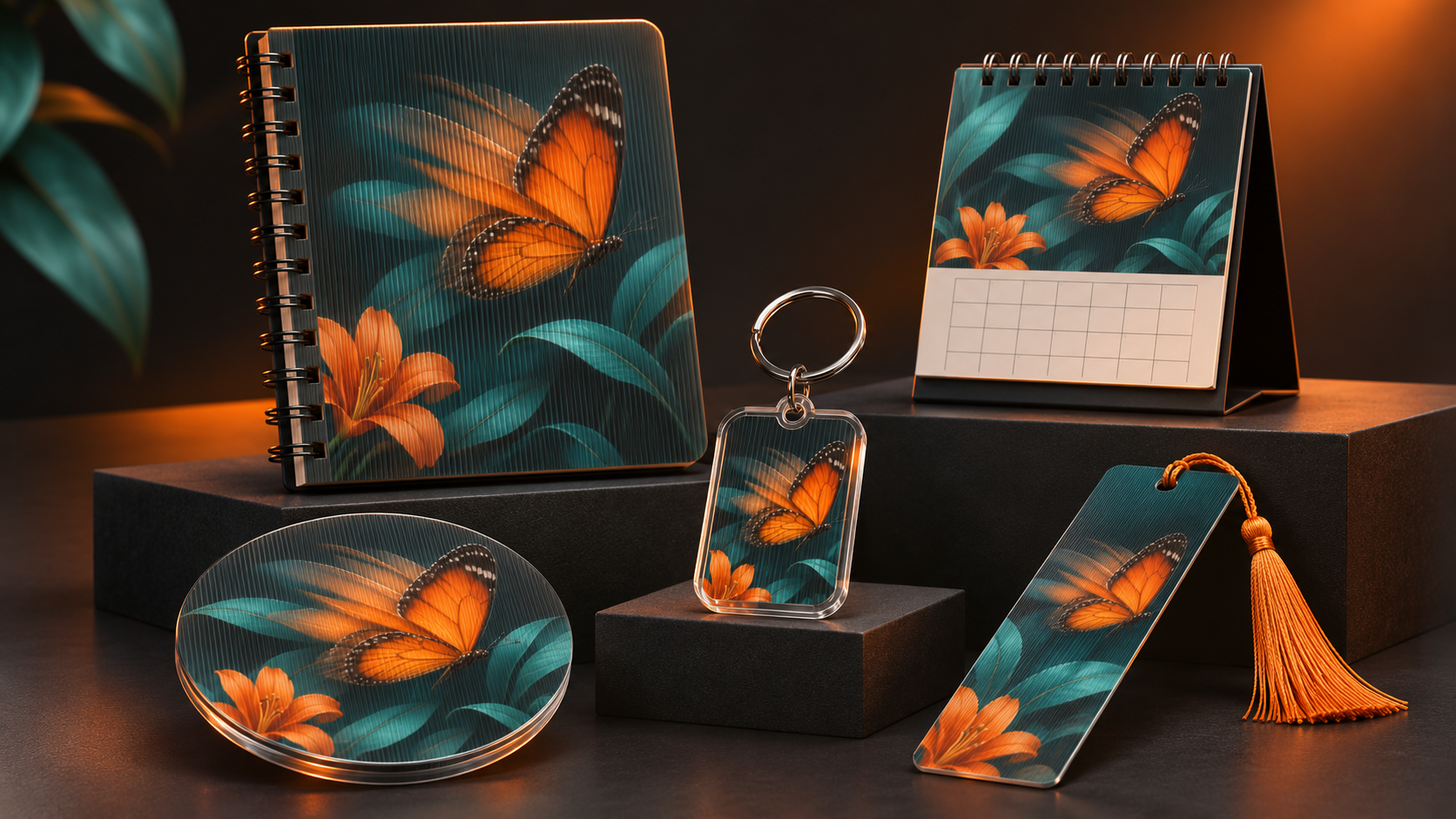
Visit the pages below to compare the applications discussed in this article with available product options.
To see other formats, explore the lenticular products category. To assess options suited to your dimensions, quantity, and effect expectations, contact Unilens and request a quotation.